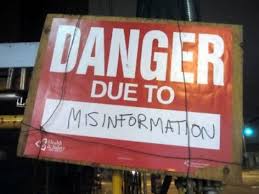
Fake news is a type of hoax or deliberate spread of misinformation, be it via the traditional news media or via social media, with the intent to mislead in order to gain financially or politically. It often employs eye-catching headlines or entirely fabricated news-stories in order to increase readership and, in the case of internet-based stories, online sharing.
Disinformation for Profit There has been documentation of dozens of examples of for-profit hoax sites, based in Eastern Europe and elsewhere, who engineered U.S. election coverage that would be widely shared on Facebook so they could reap digital advertising revenue.
Disinformation for Political Gain Rulers from Julius Caesar to Joseph Stalin have used biased state media to charm their allies and confuse their enemies. Until recently, we'd just call it PROPOGANDA, but in the current context, "fake news" often means something more specific: state-funded fraudulent websites set up by one country to sow confusion in another.
Disinformation for Crime Hackers can sometimes gain access to the websites or social media accounts of reputable news outlet and disseminate fake stories. Though they may be motivated by profit or politics, sometimes it is just to sow confusion for the hell of it.
Viral Pranks Even without nefarious motives or illegal tactics, individuals or group(s) can spread hoaxes for fun, falling somewhere in no man's land between fake news, pranks, and publicity stunts.
What Fake News Is Not
Stories from Satire Sites Websites like "the Beaverton", are international news parodies, and different sites have different standards for labelling their content as such. Readers who don't realize it's satire may mistake it for fact, even if it is clearly labelled as satirical.