Human Rights Issues
Poverty is the deprivation of basic necessities, ultimately determining our quality of life. It may also include lack of access to opportunities which aid the escape from poverty and/or allow respect of fellow citizens. "To be poor is to be deprived of those goods and services and pleasures which others around us take for granted."
The condition and social catergory of people who lack housing because they cannot afford, or are otherwise unable to maintain regular, safe, and adequate shelter. This may include people whose primary nighttime residence is in a homeless shelter, in an institution that provides a temporary residence for individuals intended to be institutionalized or in a public or private place not designed for use as a regular sleeping accommodation.
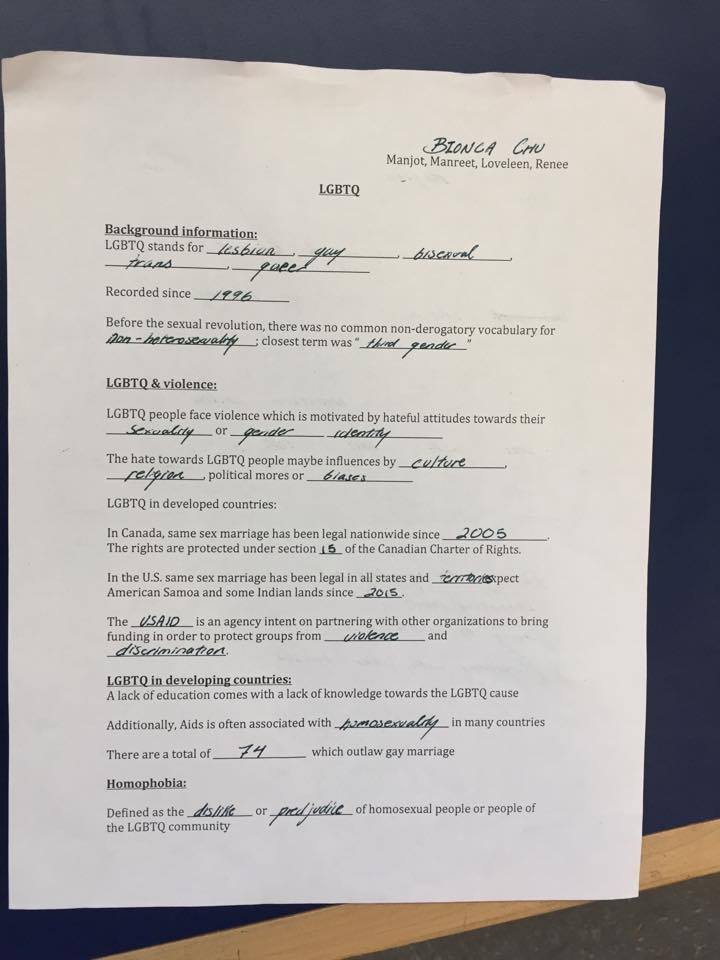
An initialism referring to lesbians, gays, bisexual, and transgendered/transexual people. The term LGBTQ replaced the "gay community" which many within LGBTQ communities felt did not represent accurately all those to which it referred.
Comprises a range of biological and/or social differences between men and women. Biologically, males have y-chromosomes and females do not. There is debate as to the extent that the biological difference has, or necessitates differences in gender roles in society.
Racism is the belief that race is a primary determinate of human traits and capacities and that racial difference produce an inherent superiority of a particular race. People with racists beliefs might hate certain groups of people according to their racial groups. In the case of institutionalized racism, certain racial groups may be denied rights or benefits, or get preferential treatment. It points out taxonomic differences between different groups of people even though anyone can be stereotyped, independently of their somatic differences.
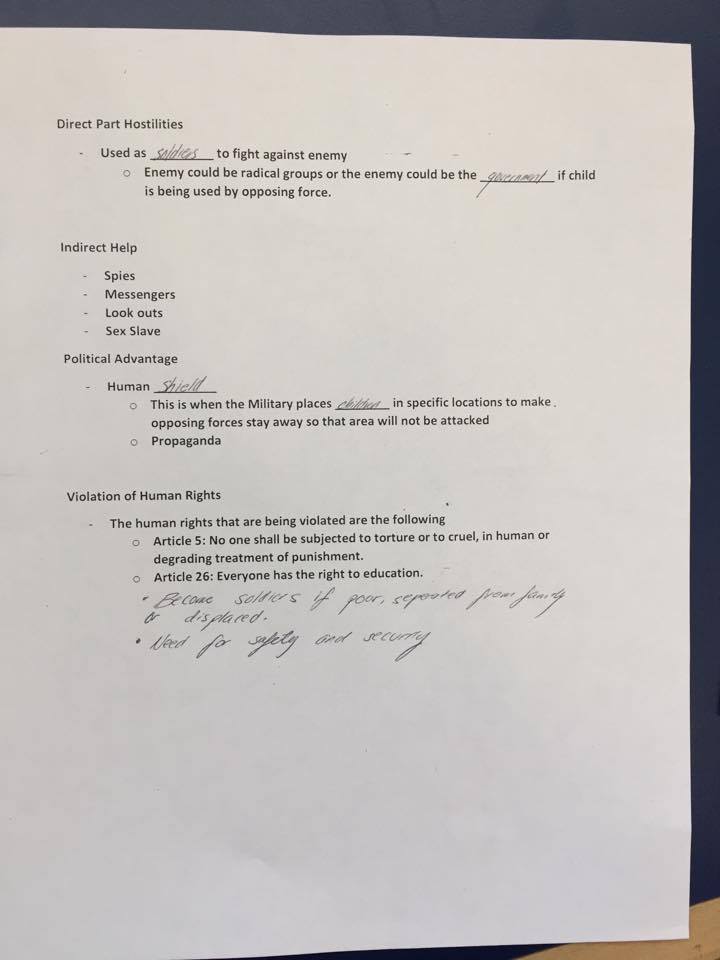
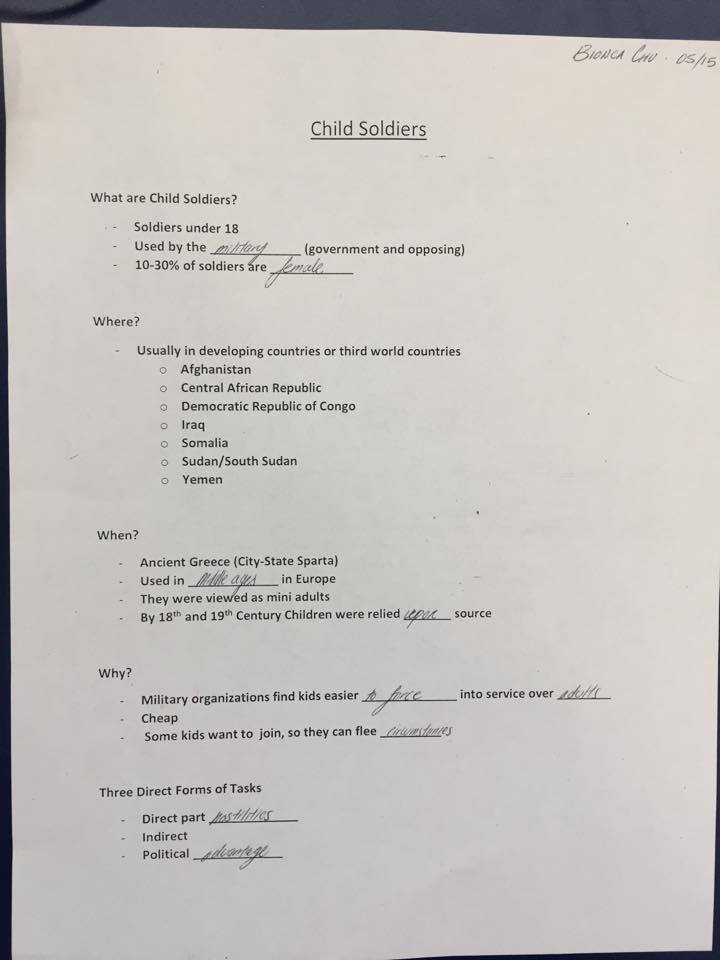
Child soldiers are people under the age of 18 that are used by the military (government or opposing) that are usually found in developing countries. They are used because military organizations find kids easier to force into services over adults and can be paid at lower rates. They typically take part directly, or indirectly and can be used as a political advantage.
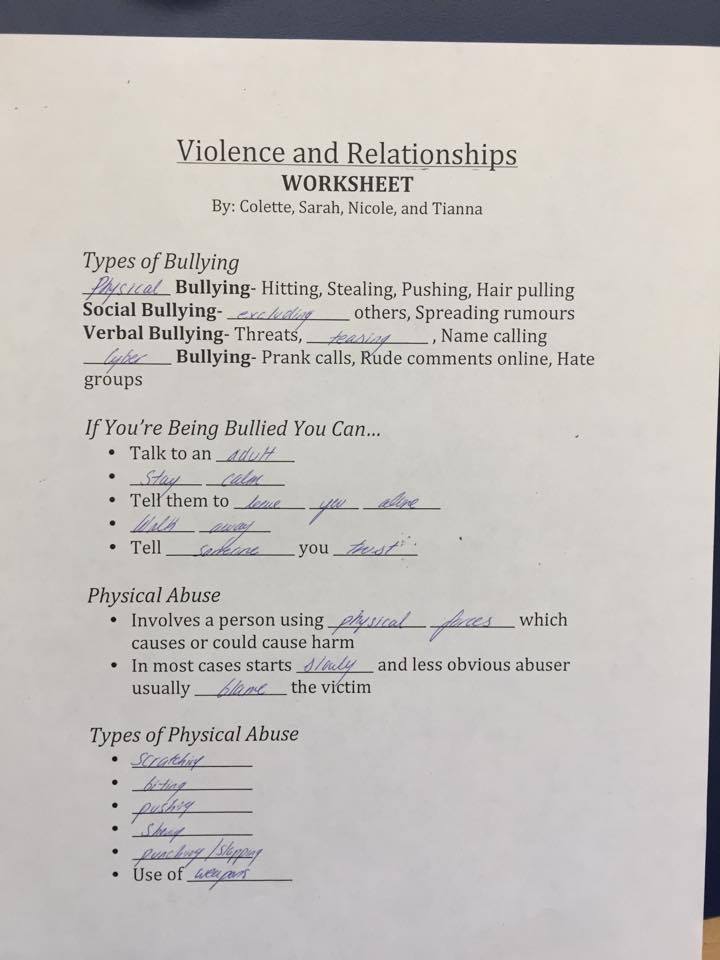
Violence is any act that results in or is likely to result in physical, sexual, and psychological harm or suffering, including threats of such acts and cordon or arbitrary deprivation of liberty, whether in public or private life. Bullying is the act of intentionally causing harm to others through verbal harassment, physical assault, or other more subtle methods or coercion such as manipulation. Bullying can be defined in many different ways. Although the UK currently has no legal definition of bullying, some US states have laws against it. Bullying is usually done to coerce others by fear or threat.
LGBTQ Essay
For years, the lesbian, gay, bisexual, transgender, and queer (LGBTQ) community has faced discrimination and violence motivated by hateful attitudes towards their sexuality and/or gender identity. Disagreeable behaviours stem from cultural, religious, political, or personal biases that ultimately lead to homophobia and the degradation of non-herteosexual individuals. To this day, many countries and cultures continue to look down upon LGBTQ groups despite the various actions of equal rights activists who advocate for the fair treatment of LGBTQ people. However, recent progression in society has promoted openness in regards to sexuality and gender identity. Although equality has yet to be reached, people perpetually fight for the fair treatment of gender and sexual minorities.
Homophobia is described as an aversion to, or discrimination against, homosexuality and/or homosexual people. Although it is not limited to lesbian and gays, homophobic beliefs initiate violence, and hate crime towards non-heterosexuals. Some countries even criminalize queer individuals, and do not recognize their legal rights as it is believed that non-hetereosexual people do not contribute to society. However, many developing countries which lack education, lack knowledge towards the social injustices that LGBTQ people face. In Canada, same sex marriage has only been legal since 2005, and is now protected under section 15 of The Canadian Charter of Rights and Freedoms. By recognizing the freedoms and rights of gender and sexual minorities, society promotes respect and fair treatment for all people. It ensures safety, security, and healthy self-esteems, that ultimately lead to a more equitable society by reducing harassment, abuse, and confrontation.
Globally, many LGBTQ activits consistenty fight for equality of people regardless of sexual and/or gender identity. Before the sexual revolution, no common non-derogatory term was used for non-heterosexuality, but instead-the term “third gender” was used. By being more inclusive of the different types of sexuality, society has a better understanding of the LGBTQ community and can avoid classifying non-heterosexuals as “strange” or “different”. In fact, many argue that sexuality can be placed on a spectrum, and a person can be attracted to different people regardless of gender, or sexual identity.
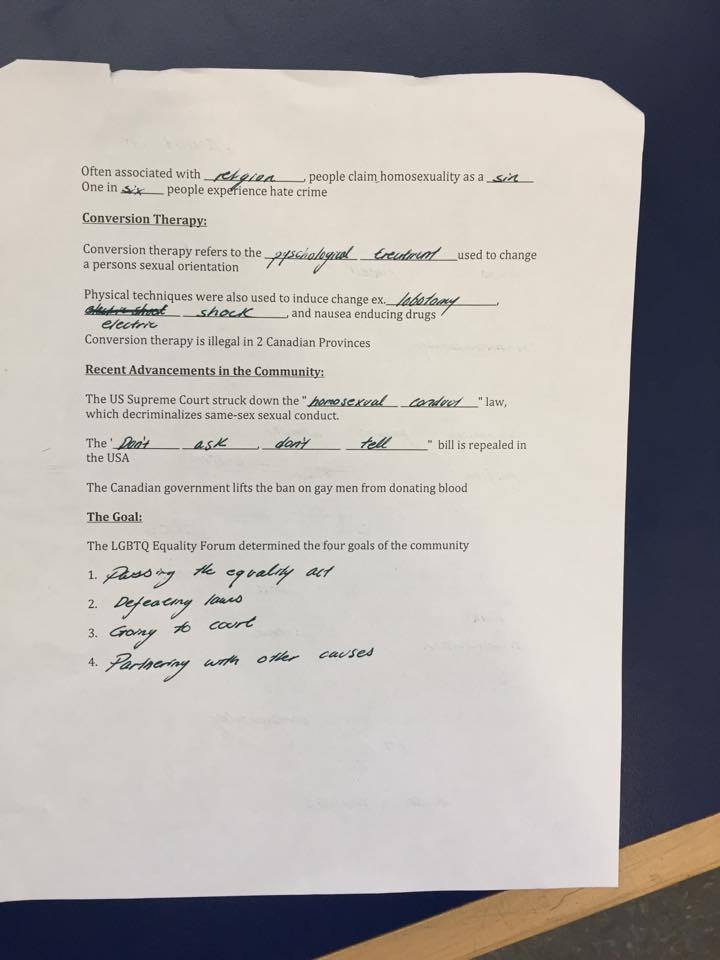
A common misconception is the idea that people in the LGBTQ community chose to be gay, lesbian, bisexual, transgender, and queer. Another common belief is that homosexuality is “curable”, and therefore people have resorted to conversion therapy. Conversion therapy refers to the psychological treatment used to change a person’s sexual orientation through different methods such as lobotomy, masturbatory reconditioning, chemical castration, electric shock, and/or nausea inducing drugs. Medical, scientific, and government organizations have expressed concern over conversion therapy as it is physically, and mentally harmful to its patients. Despite the controversy in regards to conversion therapy, it has only been made illegal in two Canadian provinces and continues to victimize people who are non-heterosexual.
Although the LGBTQ community continues to strive for equality, recent advancements in society has enabled people to be more open and honest about their sexuality. The US Supreme Court struck down the “homosexual conduct” law which banned displays of affection between same-sex couples.In 2010, the United States repealed the Don’t Ask, Don’t Tell Act. Although the Netherlands and Belgium were the first countries to legalize same-sex marriage, Canada was the third, and since then has lifted the ban for gay-men to donate blood as it was a common misconception that homosexuals carried HIV. On a global level, marriage-equality is still heavily debated even though many countries are beginning to allow non-heterosexual marriages, and public displays of affection. By supporting advocacy groups, organizations have the power to influence governments to implement changes to their laws, and give new perspective to those who adamantly disagree with queer relationships. It is society’s duty to ensure the safety and security of all individuals regardless of sexual orientation or gender identity. Creating a more accepting environment ultimately protects people from harassment and abuse, and provides a sense of equality for all people, especially those in the LGBTQ community.